

You want a brighter smile, but you also want to keep your enamel intact. That tension is exactly why so many people feel stuck when trying to whiten teeth safely at home. Coffee, tea, red wine, and even certain medications gradually stain teeth over time, and the sheer number of products and DIY remedies online makes it hard to know what actually works without causing harm. This guide cuts through the noise. We cover what to do before you start, which products and natural teeth whitening methods are worth your time, and how to avoid the mistakes that send people to the dentist with sensitivity and irritation.
Key takeaways
| Point | Details |
|---|---|
| Oral health comes first | Fix cavities and gum issues before whitening to avoid sensitivity and poor results. |
| OTC products work with proper use | Strips and gels with peroxide are effective when you follow label directions strictly. |
| Natural methods target surface stains | Baking soda and oil pulling help with surface discoloration but won’t change deep staining. |
| Restorations don’t whiten | Crowns, veneers, and fillings stay the same shade no matter what product you use. |
| Maintenance extends your results | Consistent oral hygiene and diet adjustments keep your teeth whiter for longer. |
Preparing your teeth before whitening
Before you open a single whitening product, your mouth needs to be in good shape. Whitening works best on healthy teeth, and skipping a dental check-up first is one of the most common reasons people experience unnecessary pain or disappointing results.
Here is what to address before starting any at-home whitening routine:
- Cavities and cracks. Peroxide gel can seep into a cavity or crack and cause sharp, intense pain. Get any decay treated first.
- Gum disease or inflammation. Inflamed gums are far more reactive to bleaching agents. Even mild gingivitis can make whitening uncomfortable.
- Existing dental work. Crowns, veneers, and bonding will not change color with whitening products. If you whiten the surrounding teeth, you may end up with a mismatched smile.
- Tooth sensitivity. If your teeth already ache with cold drinks, whitening can make that significantly worse without the right preparation.
Managing your expectations matters just as much as managing your oral health. The shade of white you can realistically achieve depends on your natural tooth color, the type of staining you have, and how consistently you follow through with treatment. Someone with yellow staining from coffee will see better results than someone with gray staining from antibiotics like tetracycline.
Pro Tip: Book a cleaning before you start whitening. Removing tartar and plaque buildup gives the whitening product direct contact with your enamel, which means better results and less wasted product.
For a thorough overview of who is and isn’t a good candidate, the guide on safe whitening candidacy from Woodbridge Dental Centre is worth reading before you buy anything.
Safe over-the-counter whitening products
OTC whitening products are the most practical at-home whitening solutions for most people. They use either hydrogen peroxide or carbamide peroxide as the active bleaching agent. Carbamide peroxide breaks down into hydrogen peroxide once applied, so both products work through the same mechanism. The difference is concentration and release speed.
Here is how to use the most common OTC options correctly:
- Whitening strips. Apply directly to the front teeth for 30 minutes to an hour, depending on the brand. Do not overlap onto the gums. Use once daily for the duration specified on the package, typically 10 to 14 days.
- Whitening gels with trays. Fill the tray with a small amount of gel, seat it over your teeth, and wear it for the time specified. Less gel is more. Overfilling causes the gel to spill onto your gums, which leads to irritation.
- Whitening toothpastes. Use as your regular toothpaste twice daily. These work more slowly and are better for maintaining results than achieving dramatic initial whitening.
- Whitening mouthwashes. Swish for the directed time after brushing. These have lower peroxide concentrations and work gradually over several weeks.
Incorrect use increases sensitivity and gum irritation risk significantly. The label instructions are not suggestions. They are calibrated to the concentration of peroxide in that specific product, and going longer or more frequently does not speed up whitening. It accelerates side effects.
You may also come across LED whitening kits. The light is meant to activate the peroxide gel faster, but LED light alone does not whiten teeth. The results depend entirely on the peroxide concentration and how correctly you apply it. The light is a secondary tool, not the active ingredient.
Pro Tip: Apply a thin layer of petroleum jelly or a gum barrier along your gumline before using strips or trays. This simple step dramatically reduces the chance of gel migrating onto soft tissue and causing irritation.
Natural teeth whitening methods: what actually works
Natural whitening appeals to a lot of people, and some methods genuinely deliver results. The key is understanding what they can and cannot do. Natural methods mainly remove surface stains. They do not penetrate the enamel to address deeper, intrinsic discoloration the way peroxide does.
Here is a comparison of the most commonly used natural teeth whitening methods:
| Method | What it does | Realistic results | Frequency |
|---|---|---|---|
| Baking soda paste | Mild abrasive that scrubs surface stains | Gradual lightening of surface staining | 2 to 3 times per week |
| Diluted hydrogen peroxide rinse | Low-level bleaching and antibacterial action | Mild brightening over several weeks | Once daily, diluted 1:1 with water |
| Oil pulling (coconut oil) | Reduces plaque and bacteria | Subtle whitening after 4 to 6 weeks | Daily, 15 to 20 minutes |
| Activated charcoal | Highly abrasive surface scrubbing | Inconsistent results, enamel risk | Not recommended regularly |
Baking soda toothpastes remove stains significantly better than non-baking soda formulas, so using a baking soda paste two to three times per week is a legitimate safe teeth whitening technique. Daily use, though, risks gradual enamel wear over time.
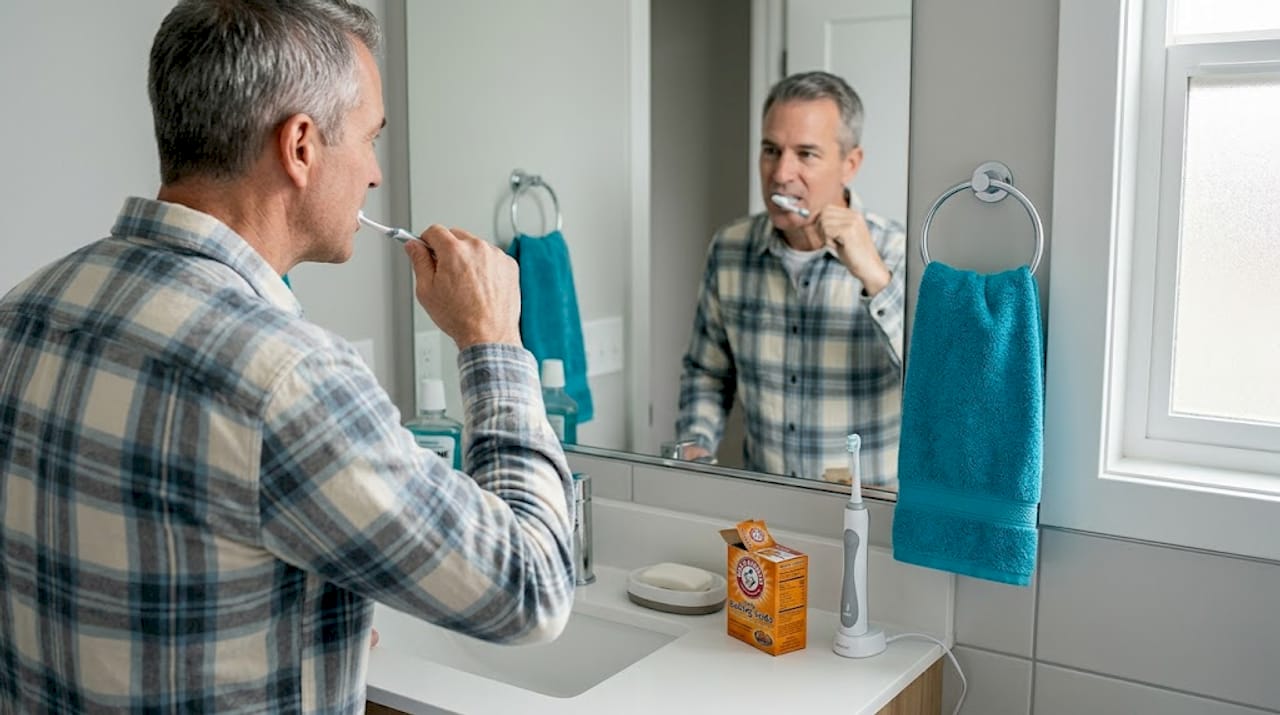
Oil pulling with coconut oil reduces plaque and gingivitis with consistent daily use over four to six weeks, which produces a modest whitening effect. It won’t give you a dramatic result, but it supports overall oral health while gently brightening your smile.
A few methods to avoid:
- Lemon juice or apple cider vinegar. The acidity erodes enamel. The whitening effect is not worth the long-term damage.
- Banana peel rubbing. This has gone viral multiple times, but banana peel lacks strong whitening evidence. Any perceived improvement is likely from the mild abrasion of rubbing, not the peel itself.
- Charcoal powders. They are too abrasive for regular use and can scratch enamel over time.
The most effective approach is to combine natural methods with OTC products rather than relying on one or the other exclusively.
Common mistakes and managing side effects
Even with the best intentions, whitening at home goes wrong for a lot of people. Most problems are preventable.
- Leaving product on too long. Exceeding recommended treatment time increases sensitivity and gum irritation. Set a timer every single time.
- Gel contact with gums. Migrating whitening gel onto the gumline is a leading cause of discomfort. Wipe away any excess gel immediately after placing the tray.
- Whitening over dental restorations. Whitening products do not change the color of crowns, veneers, or bonding. If you have significant dental work on visible teeth, consult a dentist before starting any whitening routine.
- Using products too frequently. More treatments do not mean faster results. Overuse leads to enamel erosion and chronic sensitivity.
- Ignoring sensitivity signals. Mild sensitivity during treatment is normal. Sharp, lingering pain is not. Stop treatment and consult your dentist if pain persists beyond 24 hours.
“Proper technique in gel application is as important as product choice. Avoiding gel contact with gums is one of the most effective ways to reduce irritation and make the whitening experience more comfortable.”
If sensitivity is a recurring issue for you, the detailed breakdown of whitening sensitivity fixes at Woodbridge Dental Centre covers practical solutions that actually help, including desensitizing toothpastes and spacing out treatment sessions.
Maintaining your results after whitening
Getting your teeth whiter is only half the work. Keeping them that way requires consistent habits.
- Brush twice daily with a whitening toothpaste. This removes new surface staining before it sets in and maintains the results you worked for.
- Rinse after staining foods and drinks. Coffee, tea, red wine, and tomato-based sauces restain teeth quickly. You don’t have to give them up. Just rinse with water after consuming them.
- Get professional cleanings every six months. Tartar buildup dulls your smile and makes future whitening less effective. Regular cleanings keep your baseline cleaner.
- Avoid smoking. Tobacco is one of the fastest ways to reverse whitening results. Nicotine and tar stain deeply and quickly.
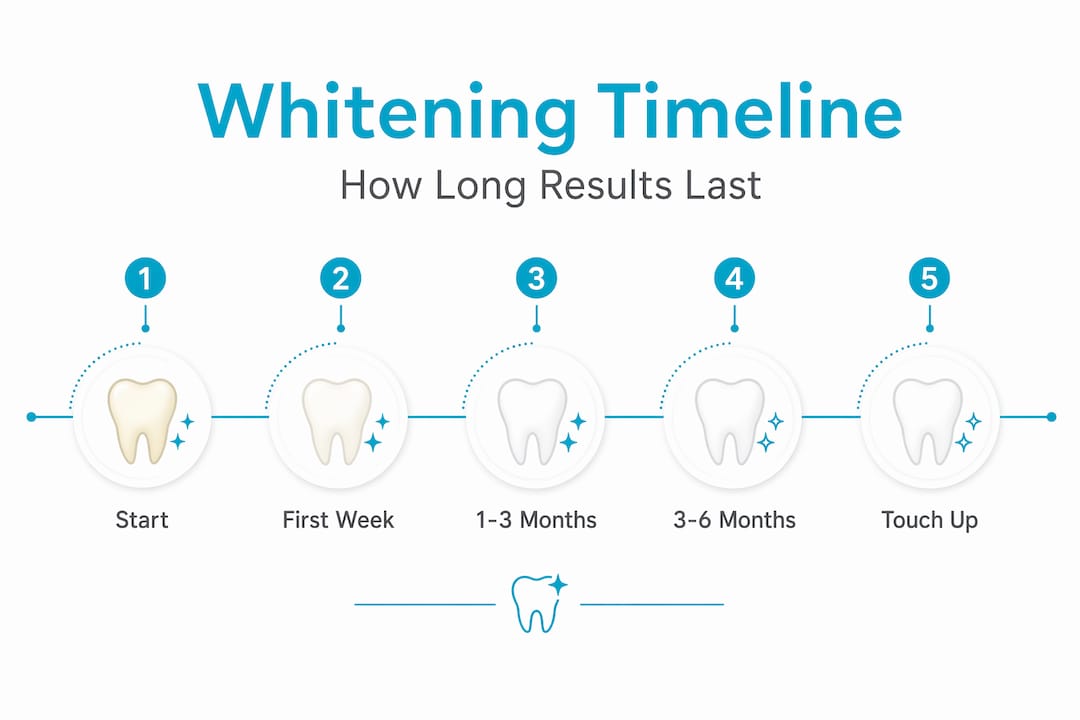
- Schedule touch-up treatments. Most OTC whitening results last three to six months with good habits. A short maintenance session every few months keeps results consistent.
Pro Tip: Follow the “white diet” for 48 hours after whitening. Stick to light-colored foods like chicken, rice, and yogurt while avoiding dark beverages and acidic foods. Your enamel is most porous right after treatment, making it more susceptible to restaining.
For a full breakdown of what to eat and avoid after treatment, the post-whitening diet guide from Woodbridge Dental Centre is a practical resource to bookmark.
Understanding how long your results will realistically last also helps you plan maintenance. The real whitening timeline article covers exactly what to expect based on your method and habits.
My honest take on home whitening
I’ve seen a lot of patients come in after trying to whiten teeth at home, and the pattern is almost always the same. They skipped the preparation step, used the product more aggressively than directed, and ended up with sensitivity or uneven results that frustrated them more than the original staining did.
Here’s what I’ve learned from working in dentistry: the people who get the best results from at-home whitening are not the ones who buy the strongest product. They are the ones who start with a clean, healthy mouth, follow instructions precisely, and have realistic expectations about what OTC products can achieve.
The viral DIY remedies bother me most. Lemon juice, charcoal, banana peels. These get shared endlessly because they feel natural and harmless. But enamel does not grow back. Once you wear it down, you’re dealing with sensitivity and increased cavity risk permanently. A method that feels gentle is not automatically safe.
My honest recommendation is this: if you have healthy teeth and gums, OTC strips or gels used correctly are genuinely effective and safe. If you have any dental work, sensitivity, or unresolved oral health issues, talk to a dentist before you start. The consultation takes 15 minutes and can save you months of discomfort.
Peroxide whitening, done correctly, remains the most evidence-backed option for meaningful results at home. Natural methods are a fine complement, not a replacement. Combine them thoughtfully, protect your enamel, and you will see real improvement.
— Felix
Whiter teeth with professional support from Woodbridge Dental Centre
At Woodbridge Dental Centre, we help patients across Vaughan, Maple, and Woodbridge get brighter smiles safely and effectively. Whether you’re starting your first whitening routine or dealing with sensitivity from a previous attempt, our team can build a plan that fits your oral health and your goals.
We offer custom whitening trays designed for controlled, comfortable results at home, along with professional oversight to make sure your teeth and gums are ready before you start. If you have existing dental work like crowns or veneers, our dental restoration services can help you achieve a balanced, consistent smile. We also offer same-day crown solutions for patients who need restoration work before whitening. Book a consultation with Dr. Michael Rouhi or Dr. Sandra Farber and get a personalized plan that actually works for your smile.
FAQ
What is the safest way to whiten teeth at home?
Using ADA-accepted OTC whitening strips or gels with hydrogen peroxide or carbamide peroxide, following label instructions exactly, is the safest approach. Always confirm your teeth and gums are healthy before starting treatment.
Can natural methods really whiten teeth?
Yes, but only for surface stains. Baking soda and oil pulling can gradually brighten your smile, but they won’t address deeper intrinsic discoloration from aging or medications the way peroxide products do.
How often should I use whitening strips?
Follow the specific product’s instructions, typically once daily for 10 to 14 days. Using strips more frequently than directed increases the risk of enamel erosion and gum irritation without speeding up results.
Will whitening products work on crowns or veneers?
No. Whitening products only affect natural tooth enamel. Crowns, veneers, and fillings stay the same shade, which can create a color mismatch if surrounding teeth are whitened significantly.
When should I see a dentist instead of whitening at home?
See a dentist if you have untreated cavities, gum disease, significant dental restorations on visible teeth, or if you experience sharp or persistent pain during whitening. A dentist can identify the safest path forward for your specific situation.
Recommended
- Is Teeth Whitening Safe? Dentist-Backed Facts (And Who Shouldn’t Whiten) – Woodbridge Dental Centre | Cosmetic, Implant & Family Dentistry
- What Should I Avoid After Teeth Whitening? The “White Diet” Explained Simply – Woodbridge Dental Centre | Cosmetic, Implant & Family Dentistry
- What’s the Best Teeth Whitening Treatment? In-Office vs Take-Home vs OTC – Woodbridge Dental Centre | Cosmetic, Implant & Family Dentistry
- How Long Does Teeth Whitening Last? The Real Timeline (And How to Make It Stick) – Woodbridge Dental Centre | Cosmetic, Implant & Family Dentistry


