

Common cosmetic dentistry misconceptions lead many patients in Woodbridge and Vaughan to delay or avoid treatments that could genuinely improve their oral health and confidence. The field of aesthetic dentistry, as it is formally described in clinical practice, covers far more than appearance. Social media drives 90.7% of dentist-reported demand for cosmetic procedures, yet widespread myths about pain, cost, and safety still hold patients back. In Canada, the Royal College of Dental Surgeons of Ontario (RCDSO) requires the same standard of care for cosmetic and medically necessary dental treatments alike. Understanding the real facts helps you make confident, informed decisions about your dental care.
1. Common cosmetic dentistry misconceptions start here: it’s only about looks
Aesthetic dentistry is not purely cosmetic in the vanity sense. Many procedures deliver real health benefits alongside improved appearance.
Veneers, for example, can protect weakened enamel from further damage. Orthodontic alignment, including Invisalign, reduces uneven bite pressure that causes jaw pain and excessive tooth wear. Bonding repairs chips that, if left untreated, can harbor bacteria and lead to decay. You can read more about the full range of cosmetic treatments available and how each one supports long-term oral health.
The dual purpose of aesthetic dentistry is one of the most misunderstood facts in the field. Improving how your smile looks and improving how your mouth functions are not separate goals.
- Veneers seal and protect vulnerable tooth surfaces
- Alignment treatments reduce jaw joint stress
- Bonding restores tooth structure and prevents bacterial entry
- Whitening motivates patients to maintain better oral hygiene habits
Pro Tip: Before any cosmetic treatment, ask your dentist how the procedure supports your oral health, not just your appearance. A good answer will address both.
2. Cosmetic procedures are painful and require long recovery
Many patients in Vaughan avoid booking consultations because they expect significant pain. The reality is that most common cosmetic procedures are gentle and well-tolerated.
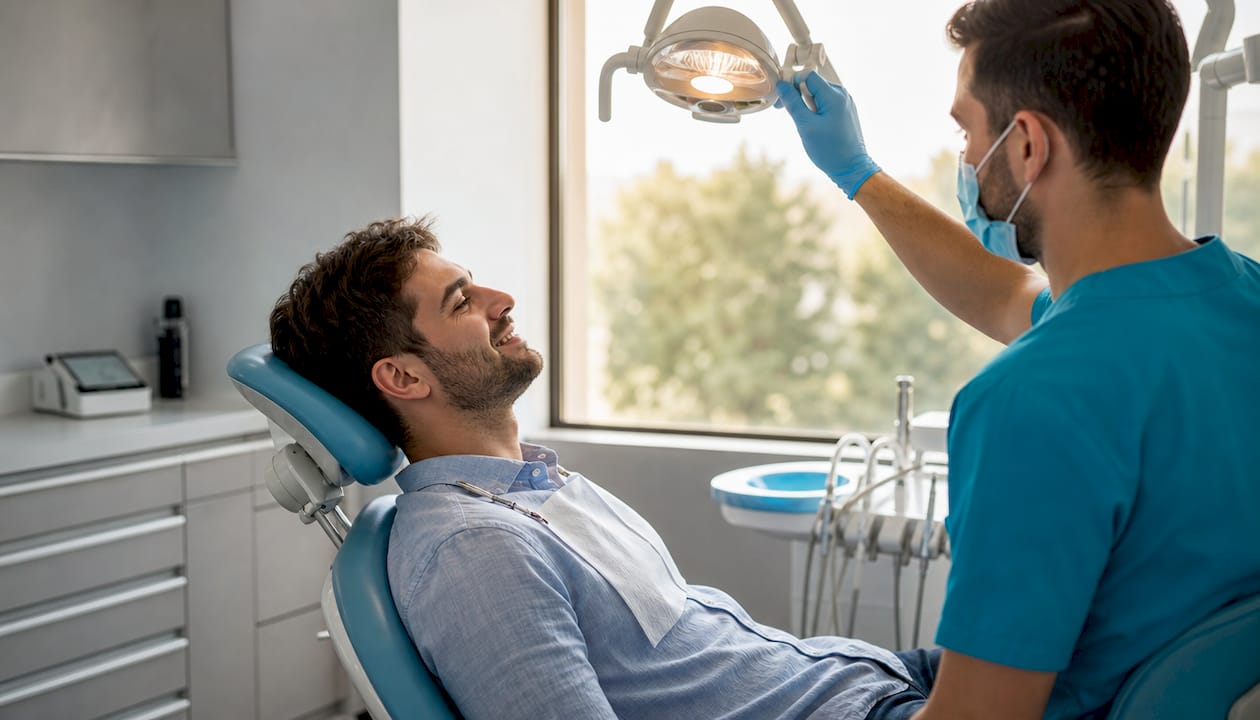
Teeth whitening causes no cutting or drilling. Dental bonding typically requires no anesthesia. Porcelain veneers involve minimal tooth preparation, and modern techniques preserve as much natural tooth structure as possible. Sedation options, including nitrous oxide and oral sedation, are available for patients who feel anxious, making the experience calm and manageable.
Recovery times for most aesthetic treatments are short. Whitening may cause mild sensitivity for a day or two. Bonding and veneers rarely require any downtime at all. The idea that cosmetic dentistry means a painful, lengthy recovery comes from outdated perceptions of older techniques.
- Teeth whitening: no drilling, mild short-term sensitivity possible
- Dental bonding: usually no anesthesia needed, completed in one visit
- Porcelain veneers: minimal preparation, local anesthetic used when needed
- Invisalign: no injections, gradual pressure adjustment
Pro Tip: Tell your dentist about any anxiety before your appointment. Discussing sedation options in advance makes a real difference in how comfortable you feel on the day.
3. Cosmetic dentistry is only affordable for the wealthy
Cost is one of the most persistent misunderstandings in cosmetic dentistry. The range of available treatments means there is an option at nearly every budget level.
Dental bonding is one of the most affordable cosmetic procedures available. Whitening treatments vary widely in price depending on whether they are done in-office or with a take-home kit provided by your dentist. Veneers represent a larger investment, but porcelain veneers show a 94.4% survival rate at five years, which means they deliver lasting value. That durability makes them a sound long-term investment rather than a luxury expense.
Most dental insurance plans do not cover purely cosmetic procedures. However, many clinics offer payment plans, and some treatments that improve function may qualify for partial coverage. The good news is that you do not need to choose the most expensive option to see a meaningful improvement.
| Procedure | Typical Cost Range | Longevity |
|---|---|---|
| Teeth whitening (professional) | Lower cost | 1–3 years with maintenance |
| Dental bonding | Moderate cost | 5–10 years |
| Porcelain veneers | Higher cost | 10–20 years |
| Invisalign | Moderate to higher cost | Permanent alignment results |
Speak with your dentist about which treatments address your priorities and fit your budget. A phased treatment plan often makes cosmetic care more accessible over time.
4. Cosmetic treatments damage natural teeth and enamel
This myth causes real harm because it stops patients from seeking safe, professional care. The truth is that professional cosmetic treatments, when performed correctly, are designed to preserve tooth structure.
Professional whitening differs fundamentally from store-bought kits. Dentists distinguish between whitening, which removes surface stains, and bleaching, which alters the underlying shade. Professional treatments are customized to your sensitivity level and monitored throughout the process. Store-bought strips, by contrast, use a one-size-fits-all concentration that can irritate enamel and gums when misused.
Misusing over-the-counter whitening strips can cause sensitivity and enamel irritation. That risk is not present with properly supervised clinical treatment. Veneers and bonding are conservative by design. They add material to or lightly reshape the tooth surface rather than removing significant structure.
One important clinical fact: whitening should precede bonding or veneers because bleaching agents only affect natural enamel. Composite and porcelain restorations do not lighten. If whitening is done after bonding, the natural teeth brighten but the restoration stays the same shade, creating a mismatch. Your dentist plans treatment in the correct sequence to avoid this.
All dental services in Canada, including cosmetic ones, must meet the same professional standards as medically necessary treatments. Informed consent and documented clinical rationale are required. That regulatory framework protects you.
Pro Tip: Check the factors that affect whitening results before choosing a whitening method. Not all teeth respond the same way, and a dentist can tell you what to expect.
5. All cosmetic dentists hold a specialty certification
Many patients assume that a dentist who offers cosmetic services has passed a board exam in that specialty. This is not the case in Canada.
There is no recognized dental specialty of cosmetic dentistry in Canada. Any licensed general dentist may legally offer cosmetic procedures without any mandatory additional certification. This does not mean all cosmetic dentists are equally skilled. It means the responsibility for vetting your provider falls on you.
The American Academy of Cosmetic Dentistry (AACD) accreditation is the closest credential to a specialty standard currently available. AACD accreditation requires dentists to submit peer-reviewed clinical cases demonstrating advanced cosmetic skills. It is a meaningful indicator of quality, though not all excellent cosmetic dentists hold it. Continuing education, before-and-after case portfolios, and patient reviews are all useful tools for evaluating a provider.
Marketing language alone is not a reliable guide. Phrases like “smile specialist” or “cosmetic expert” carry no regulatory weight. Ask specific questions during your consultation.
- Ask how many cases similar to yours the dentist has completed
- Request to see before-and-after photos of actual patients
- Ask about specific training courses or continuing education in cosmetic dentistry
- Confirm the dentist will address any active decay or gum disease before aesthetic work
Your cosmetic dentistry consultation checklist is a practical starting point for knowing exactly what to ask.
Pro Tip: A dentist who insists on treating active oral health issues before cosmetic work is demonstrating good clinical judgment, not upselling you. That sequencing protects your results.
6. Cosmetic dentistry ignores underlying oral health
A common misunderstanding is that aesthetic dentistry skips past health concerns to focus only on appearance. Responsible cosmetic care does the opposite.
Cosmetic dental procedures must prioritize foundational health issues like decay or gum disease before aesthetics. Placing veneers over a tooth with untreated decay would trap infection and cause the restoration to fail. Whitening inflamed gums causes unnecessary pain and poor results. A qualified dentist always assesses and treats the foundation before building on it.
This sequencing also protects your investment. Cosmetic work lasts longer when the surrounding teeth and gums are healthy. Patients who understand this connection tend to maintain better oral hygiene habits after treatment because they want to protect what they have invested in.
The confidence benefits of cosmetic dentistry are well documented, but those benefits are most durable when the underlying oral health is solid. Aesthetic improvements and health improvements work together, not in competition.
7. LED and “natural” whitening products work as well as professional treatment
Marketing claims around whitening products are some of the most misleading in dentistry. Many patients spend money on products that deliver little to no clinical benefit.
Marketing claims about light-assisted or LED whitening lack solid evidence for improved whitening results. LED devices used in clinics primarily speed up treatment time rather than improve the final shade. At-home LED kits offer even less benefit. Products labeled “natural” or “charcoal-based” similarly lack clinical evidence for efficacy and may be abrasive to enamel.
The most reliable whitening results come from treatments using clinically tested concentrations of hydrogen peroxide or carbamide peroxide, supervised by a dentist. Understanding how to whiten teeth safely helps you avoid wasting money on products that do not deliver.
Key Takeaways
Cosmetic dentistry is a safe, regulated, and health-supporting field of care when delivered by a qualified provider who addresses oral health before aesthetics.
| Point | Details |
|---|---|
| Cosmetic care supports health | Procedures like veneers and alignment improve function, not just appearance. |
| Most treatments are gentle | Whitening, bonding, and veneers involve minimal discomfort and short recovery. |
| No formal specialty exists in Canada | Vet your dentist through AACD accreditation, case portfolios, and specific training. |
| Sequencing protects results | Whitening before bonding or veneers prevents shade mismatches. |
| Professional whitening is safer | Supervised treatment is customized to sensitivity; store-bought kits carry real risks. |
What 25 years in Woodbridge has taught me about these myths
In my experience, the patients who hesitate longest before a cosmetic consultation are the ones who have absorbed the most misinformation. They come in expecting pain, a massive bill, or a dentist who will dismiss their health concerns in favor of aesthetics. Almost every time, they leave the consultation surprised.
The myth I find most damaging is the one about cosmetic dentistry being separate from real dental care. Families in Woodbridge and Vaughan often put off treatments like veneers or alignment because they feel it is a luxury they cannot justify. What they do not realize is that a cracked tooth left unaddressed becomes a root canal. A misaligned bite becomes jaw pain. The cosmetic concern and the health concern are often the same concern.
I also want to be direct about the credential issue. The absence of a formal specialty in Canada is a real gap, and patients deserve to know it exists. The right provider will welcome your questions about their training and show you real case results. If a dentist deflects those questions, that tells you something important.
The good news is that evidence-based cosmetic care, delivered by a provider who takes your whole oral health seriously, is genuinely safe and effective. Ask questions, verify credentials, and do not let outdated myths make the decision for you.
— Felix
Cosmetic dentistry options at Woodbridgedentalcentre
Woodbridgedentalcentre serves families across Woodbridge, Vaughan, and Maple with a full range of cosmetic dentistry services delivered by Dr. Michael Rouhi, Dr. Sandra Farber, and their experienced team.
Every cosmetic consultation at Woodbridgedentalcentre begins with a thorough assessment of your oral health. The team addresses any active concerns before recommending aesthetic treatments, so your results are built on a healthy foundation. Whether you are considering whitening, veneers, bonding, or a full smile makeover, the clinic offers personalized treatment plans and flexible scheduling. Patients across the Vaughan area trust Woodbridgedentalcentre for honest, evidence-based guidance and care that puts long-term oral health first.
FAQ
Is cosmetic dentistry covered by dental insurance in Canada?
Most dental insurance plans do not cover purely cosmetic procedures. Treatments that also restore function, such as bonding on a broken tooth, may qualify for partial coverage.
How do I know if a cosmetic dentist is qualified?
Ask about specific training, continuing education, and AACD accreditation. Request before-and-after photos of real patients and ask how many similar cases the dentist has completed.
Does professional whitening damage enamel?
Professional whitening, supervised by a dentist and customized to your sensitivity, does not damage enamel. Misusing over-the-counter strips carries a higher risk of irritation and sensitivity.
Should I whiten my teeth before getting veneers or bonding?
Yes. Whitening agents only affect natural enamel, not composite or porcelain restorations. Whitening first lets your dentist match the restoration shade to your brightened teeth, avoiding a color mismatch.
Can any dentist in Canada perform cosmetic procedures?
Yes. There is no recognized cosmetic dentistry specialty in Canada, so any licensed general dentist may legally offer these services. Vetting your provider through training history and case portfolios is your responsibility as a patient.


