

Nobody enjoys sitting in a dental waiting room longer than necessary. For many patients in Woodbridge, Vaughan, and Maple, the desire to reduce dental appointment wait time is less about impatience and more about real-life pressures: work schedules, kids to pick up, and the mental cost of a visit that runs 45 minutes past its scheduled start. The good news is that much of what determines your wait is within your control, or at least something you can influence by choosing the right practice and showing up prepared. This guide walks you through practical, realistic steps to shorten dental wait time before, during, and after your visit.
Key takeaways
| Point | Details |
|---|---|
| Preparation before booking matters | Asking the right questions and choosing an efficient practice dramatically reduces delays before you even arrive. |
| Technology cuts no-shows significantly | Automated reminders reduce no-shows by 60%, which directly protects your scheduled appointment time. |
| Day-of habits shape your experience | Arriving on time, completing forms in advance, and using digital check-in tools keeps your visit on track. |
| Communication is your best tool | Proactively talking to office staff about delays and providing feedback helps practices improve scheduling for everyone. |
| Multiple access options exist | Same-day booking, waitlists, and teledentistry each serve different needs and can meaningfully shorten your overall wait. |
What to know before booking
Before your appointment is even scheduled, the choices you make have a direct impact on how efficiently your visit will go. Not all dental offices manage scheduling the same way, and asking a few targeted questions when you call can save you significant time later.
Start by asking whether the practice offers online booking or a patient portal. Practices with self-booking tools give you more control and transparency about available slots. You can also ask whether they reserve time for same-day or urgent cases. Practices that reserve 20 to 30% of daily capacity for urgent needs are better equipped to handle schedule disruptions without pushing your appointment back.
Understanding the type of appointment you need also sets realistic expectations. A routine cleaning with x-rays runs differently than a restorative visit. If you need a filling plus an exam, let the scheduler know so they book the right amount of time. An underbooked appointment is one of the most common reasons a visit runs long.
Here are a few preparation steps that help minimize dental visit delays:
- Confirm your insurance details in advance so the front desk is not sorting out coverage while you wait in the chair.
- Complete any new patient forms online before your visit if the practice offers a patient portal.
- Ask about the cancellation policy so you understand how last-minute gaps affect other patients, including you.
- Request a morning appointment when the schedule is freshest and delays from earlier visits have not yet accumulated.
- Mention any anxiety or special needs when booking, so the team can allocate appropriate time and support.
Pro Tip: When you book, ask “How long does a visit like mine usually take?” If the scheduler gives you a specific answer rather than a vague one, that is a sign of a well-organized practice.
How modern scheduling systems help patients
The scheduling systems behind a dental practice have more impact on your experience than most patients realize. Many delays come not from the dentist being slow but from gaps caused by no-shows, late arrivals, or poor appointment sequencing. Modern practices are using technology to fix exactly these problems.

Automated multi-channel reminders with one-click rescheduling have been shown to cut no-shows from 15% to just 6%, a 60% reduction. That matters to you as a patient because every no-show creates a gap that can cascade into delays for everyone else. When other patients can easily reschedule, the day runs smoother for the whole office.
Online self-booking portals are another patient benefit worth looking for. Rather than waiting for office hours to call and confirm a slot, you can check real-time availability and book at 10pm if that suits you. In that same case study, self-booking for hygiene recalls climbed to 65% of all appointments after the portal was introduced.
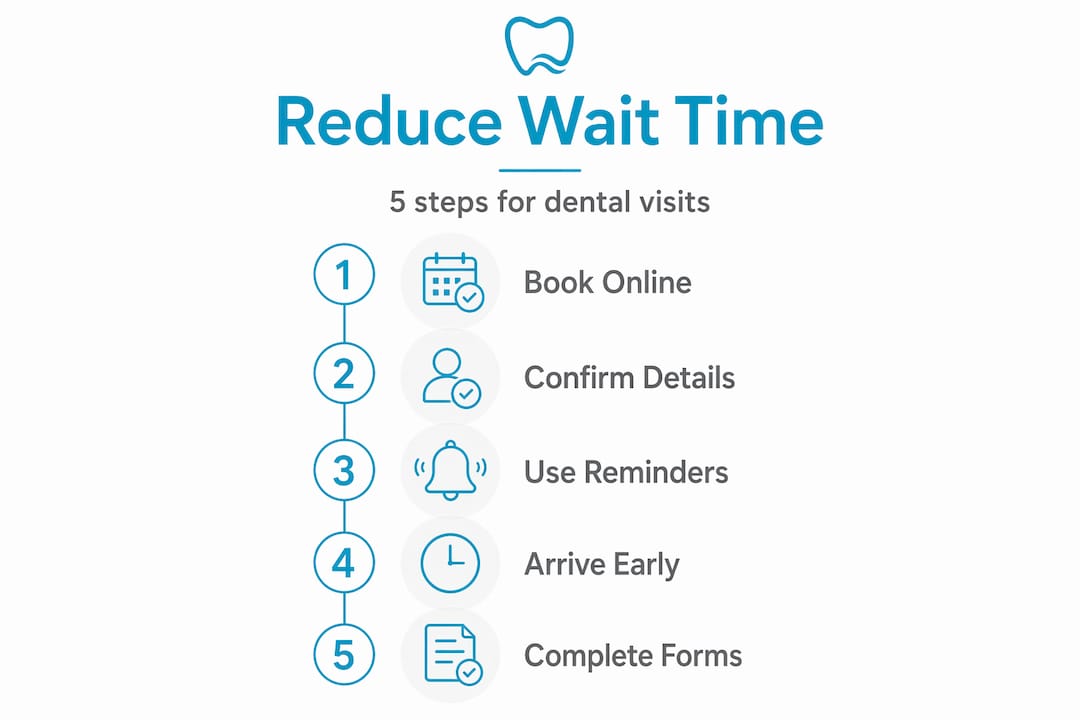
Strategically timed reminders, sent one week and three days before your visit, reduce the chance you forget or lose track of your appointment. Research shows appointment reminders improve attendance by about 11% on average, with phone reminders showing particularly strong results.
AI-assisted scheduling tools can also optimize appointment length based on procedure type, so the practice is not over- or under-booking time slots. This kind of precision is what reduces initial wait times by up to 30% in practices that have adopted smarter workflows.
Pro Tip: When a practice sends you a reminder, use the reschedule link immediately if your plans have changed. Waiting until the day before creates chaos for the office and delays for other patients.
Tips to minimize waiting on the day of your visit
Even the best-run schedule can slip if patients arrive unprepared or at the wrong time. Here is how to protect your own appointment time once the day arrives.
Arriving about five minutes early is the right target. Arriving 20 or 30 minutes early does not speed things up; it just means you sit in the lobby longer and can actually cause front desk congestion. Five minutes gives staff time to check you in without rushing, but does not create a backlog.
If the practice uses a digital check-in kiosk, use it. These systems handle identity verification, insurance capture, and incomplete form routing directly to your phone, freeing staff to focus on care coordination rather than paperwork. This alone reduces the clustering at front desks that causes visible delays.
Complete any pre-visit forms through the patient portal before you leave home. Many patients fill out the same forms every year because they did not update their records digitally ahead of time. That takes five minutes in the chair that should have been clinical time.
Once you are seated, the flow typically moves from hygienist to dentist for the exam portion. Structured handoffs between hygienists and dentists save 5 to 10 minutes per exam when done properly, but they require the hygienist to complete their notes before calling the dentist in. If your hygienist seems to be waiting for the dentist, that gap is usually a scheduling capacity issue, not a sign that something is wrong.
Be straightforward with staff about any time constraints you have. If you need to leave by a specific time, say so when you arrive. Good offices will factor that into how they manage your visit.
Managing delays when they happen
Even with good preparation on your part, delays do occur. Understanding why, and knowing how to respond, makes the experience far less frustrating.
Most in-office delays fall into a short list of causes:
- A previous patient required unexpected additional treatment
- A patient arrived late, shifting the entire block
- Equipment or lab results caused an interruption
- Staffing changes affected room availability
When you notice a delay, the best move is a calm, direct check-in with the front desk. Ask for an updated estimate so you can plan. Most offices will appreciate the communication and give you an honest answer.
“Transparency and real-time wait updates reduce perceived wait times by 35% and decrease no-shows by 28%. Patients who know what is happening feel less anxious, even if the actual wait has not changed.”
Use any wait time to review your oral health questions. Many patients forget to ask about sensitivity, a specific tooth, or home care habits once they are in the chair. A few notes on your phone goes a long way.
If delays are a consistent pattern at your practice, provide constructive feedback through the office’s review system or directly to the front desk manager. Practices that care about improving their scheduling system take this input seriously. If nothing changes after repeated visits, it is reasonable to explore other providers who prioritize patient time more effectively.
Same-day booking, waitlists, and teledentistry compared
Not every dental need requires a traditional scheduled visit. Knowing your options can significantly shorten your wait, depending on what you need.
| Access method | Best suited for | How it reduces wait time |
|---|---|---|
| Same-day booking | Urgent pain, broken tooth, lost filling | Immediate care without a multi-day wait |
| Cancellation waitlist | Routine or elective visits | Fills openings from last-minute cancellations |
| Teledentistry | Follow-ups, minor concerns, second opinions | Skips the in-office visit entirely |
| Online self-booking | Any scheduled appointment | Real-time access without phone tag |
Same-day appointments are particularly valuable for urgent dental needs. Practices like Woodbridge Dental Centre keep capacity available specifically for these situations. If you are in pain, calling early in the morning gives you the best chance of being seen that day. Same-day crown technology also means that restorative work that once required two visits can now be completed in a single appointment, which is a meaningful time saving for busy families.
Cancellation waitlists work well when you have flexibility. Ask to be added whenever you call, and keep your phone accessible in the days before your preferred appointment window.
Teledentistry is still underused by most patients. For post-treatment check-ins, minor sensitivity questions, or concerns about a healing site, a short video call with your dental team can replace an in-office visit entirely. That frees chair time for patients who genuinely need hands-on care.
My experience with wait times in Woodbridge
I have worked with patients in Woodbridge and Vaughan for many years, and the most consistent pattern I have seen is this: patients who come in frustrated about long waits are almost always dealing with a scheduling system problem, not a care quality problem.
What surprises most people is how much a single no-show affects the rest of the day. One missed appointment does not create a gap. It creates a scramble to fill it, a reshuffled sequence, and a ripple effect that the 2pm patient still feels. Preventing no-shows through easy rescheduling is genuinely more effective than reacting after they happen.
In my experience, patients who prepare their forms ahead of time, arrive at the right moment, and communicate clearly with staff consistently have shorter, calmer visits. It is not luck. It is preparation. I have also seen families in Vaughan and Maple benefit enormously from practices that use digital reminders and online portals. Those tools do not feel fancy. They just work. The right practice respects your time from the moment you book.
— Felix
Spend less time waiting, more time caring for your smile
At Woodbridge Dental Centre, we know your time is valuable. That is why our team has built flexible scheduling, automated reminders, digital check-in, and online booking into how we operate, so patients from Woodbridge, Vaughan, and Maple can get the care they need without unnecessary delays.

Whether your family needs a routine cleaning, urgent care, or specialized treatment, our family dentistry services are designed to keep your experience efficient and comfortable from start to finish. We hold same-day appointment slots for urgent needs, and our team is always ready to help you prepare for your visit so nothing slows you down once you arrive. Book online or call us to experience a practice that genuinely respects your schedule.
FAQ
What is the fastest way to get a dental appointment?
Call early in the morning and ask specifically for a same-day slot or to be placed on the cancellation waitlist. Practices that reserve capacity for urgent cases can often see you the same day for pain or broken teeth.
How can I reduce my waiting time once I arrive at the dentist?
Complete all paperwork through the patient portal before your visit, arrive about five minutes early, and use any digital check-in tools the practice offers. Digital check-in systems reduce front desk congestion and get you to your chair faster.
Why do dental offices run behind schedule?
Most delays stem from a previous patient needing extra treatment, late arrivals by other patients, or scheduling gaps caused by no-shows. These are capacity planning issues, not signs of poor care.
Do appointment reminders actually help reduce wait times?
Yes. Research shows reminders improve attendance by 11% on average, and practices using automated reminders with easy rescheduling options cut no-shows by up to 60%, which keeps the daily schedule running on time.
Is teledentistry a real option for skipping in-office waits?
For follow-up visits, minor concerns, or questions about healing, teledentistry is a practical and growing option. It replaces some in-office visits entirely, freeing appointment slots for patients who need hands-on care.
Recommended
- What Should I Pack for My Kid’s Dental Visit? | Pro Tips for Stress-Free Appointments – Woodbridge Dental Centre | Cosmetic, Implant & Family Dentistry
- How to Speed Up Invisalign Treatment: Faster Results Explained – Woodbridge Dental Centre | Cosmetic, Implant & Family Dentistry
- How Do I Handle My Child’s Fear of the Dentist? | Calming Techniques That Work – Woodbridge Dental Centre | Cosmetic, Implant & Family Dentistry
- How Can I Prevent Cavities in My Child’s Teeth? | Smart Habits for Healthy Smiles – Woodbridge Dental Centre | Cosmetic, Implant & Family Dentistry


