

Dental appointment preparation for adults is the set of purposeful steps you take before your visit to improve comfort, accuracy, and care. Done well, it transforms a routine checkup into a productive conversation with your dental team. The best preparation covers four areas: organizing your health information, managing anxiety, practicing good oral hygiene, and knowing what to expect when you arrive. At Woodbridgedentalcentre, we see patients from Woodbridge, Vaughan, and Maple every day, and the ones who feel most at ease are almost always the ones who came prepared.
1. confirm your dental appointment preparation tips for adults
Logistics matter more than most people realize. Confirming your appointment date, time, and location the day before removes a surprising amount of mental load. Arriving 5–10 minutes early gives you time to complete any remaining paperwork and settle your nerves before you sit in the chair. That buffer also means the appointment starts on time, which benefits everyone.
Choose a time slot that fits your natural rhythm. Morning appointments work well for many adults because stress levels tend to be lower before the day’s demands pile up. If you know your schedule is calmer on certain days, book then. You can also reduce wait time by calling ahead to confirm the appointment is running on schedule.
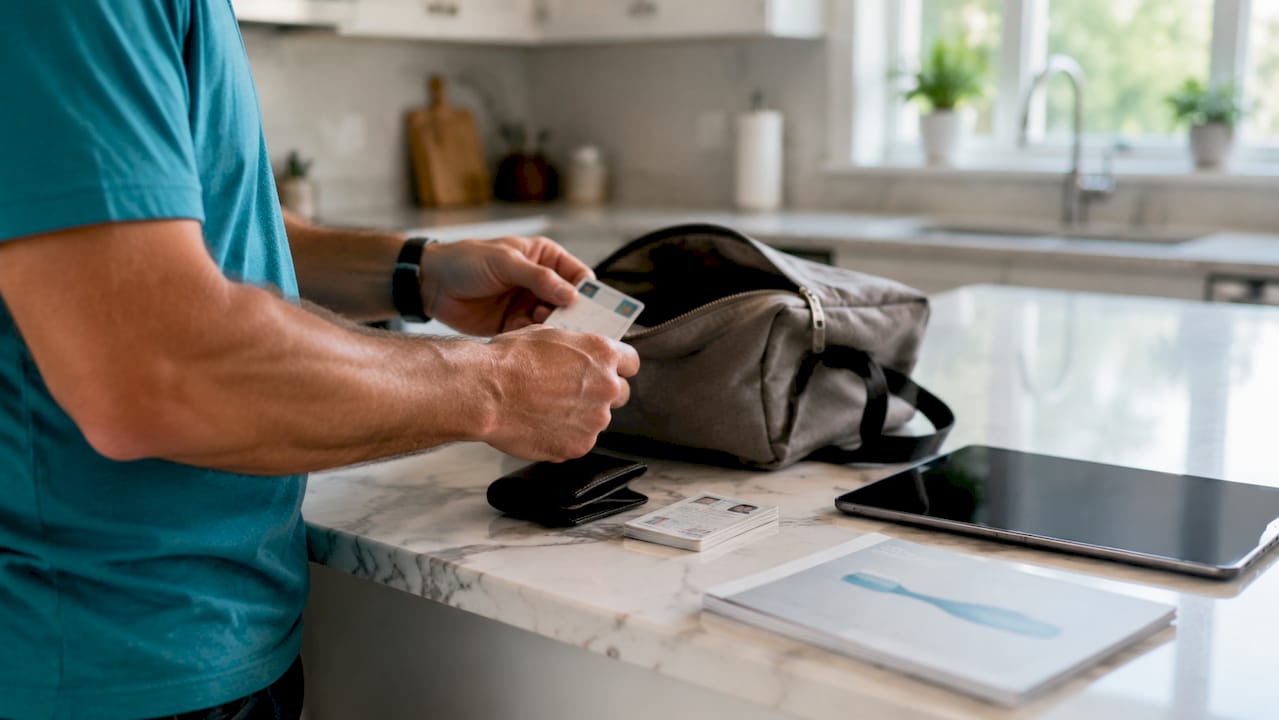
Gather your insurance card, a valid photo ID, and your preferred payment method the night before. Place them in your bag so there is no scramble at the door. If this is your first visit to a new clinic, confirm whether they need referral documents or previous records in advance.
Pro Tip: Book a mid-week morning slot when dental offices are typically quieter. You will spend less time in the waiting room and the team is often more relaxed, which makes a real difference if you feel anxious.
2. organize your health and dental history
Accurate medical intake supports patient safety and treatment customization, reducing risks during dental care. The American Dental Association provides an official patient health history form you can download and complete at home before your visit. Filling it out in a calm environment means fewer gaps and more accurate answers than rushing through it in the waiting room.
Bring a written list of every medication and supplement you take, including over-the-counter products like aspirin or fish oil. Some medications affect bleeding, healing, and anesthetic response, so your dentist needs this information to plan treatment safely. Note any allergies, especially to latex, antibiotics, or anesthetics.
Create a one-page master sheet that includes your medications, allergies, and your top two or three dental concerns. This single document reduces errors and speeds up the intake process significantly. Patients who bring dental appliances like nightguards, retainers, or previous X-rays also help their dentist assess fit and current condition for better care.
Writing down symptoms before the appointment, such as tooth sensitivity, bleeding gums, or a change in your bite, means you will not forget them once you are in the chair. Many patients tell me they remember a concern only after they leave. A short written list solves that completely.
Pro Tip: Use your phone’s notes app to keep a running list of dental concerns between visits. By the time your appointment arrives, you will have a clear record ready to share.
3. practice good oral hygiene before you arrive
Brushing and flossing thoroughly before your appointment improves examination accuracy and cleaning effectiveness. Clean teeth allow your dentist to detect plaque buildup, early cavities, and gum issues far more clearly than teeth covered in food debris. This is one of the simplest adult dental hygiene tips and one of the most overlooked.
Here is what to do in the hours before your visit:
- Brush all surfaces of your teeth for two full minutes using fluoride toothpaste
- Floss between every tooth, paying attention to the gum line
- Rinse with water or a mild mouthwash to clear loose debris
- Avoid sugary or sticky foods in the two hours before your appointment
- Eat a light meal rather than arriving on an empty stomach, which can cause lightheadedness
If you eat a meal close to your appointment time, rinse your mouth well with water afterward. Heavy or strongly scented foods like garlic or onion are worth avoiding simply for your own comfort during the exam. The goal is a clean, neutral mouth that gives your dentist a clear picture of your oral health.
4. manage dental anxiety with communication
Dental anxiety is real and common, and it does not have to control your visit. Telling the dental team about your anxiety at booking allows them to customize the appointment with more support and patience from the start. This single step changes the entire tone of the visit.
Here are four practical strategies that work:
- Ask for a walkthrough. Request that your dentist or hygienist explain each step before they begin. Predictability before treatment reduces anxiety by giving you control over what happens next. Knowing what is coming removes the element of surprise that triggers most fear responses.
- Agree on a stop signal. Establish a hand signal, such as raising your left hand, that means “pause.” A pause signal restores control and reduces anxiety even if you never actually use it during treatment. Simply knowing you can stop is often enough.
- Use calming techniques. Deep breathing before and during the appointment lowers your heart rate and reduces tension. Some patients bring headphones and listen to music or a podcast during treatment. Both approaches work well.
- Choose the right appointment time. Book when you feel most rested and calm. Avoid scheduling right after a stressful workday or during a time when you are likely to feel rushed.
“Open communication about anxiety is linked to better patient experiences and less stress during dental visits. When patients tell us upfront, we can slow down, explain more, and make the whole experience gentler.” — Woodbridgedentalcentre dental team
If your anxiety is significant and you are considering sedation, follow your dentist’s fasting instructions carefully. Sedation preparation requires a light meal at least four hours before the procedure, water up to two hours before, and an escort who can stay with you for 24 hours afterward. This differs from general anesthesia preparation, so confirm the specific rules with your clinic. You can also read about calming techniques for anxious patients for additional strategies that apply to adults as well.
5. know what to expect at your dental checkup
Understanding the typical flow of a routine adult dental visit reduces uncertainty and makes the whole experience feel manageable. A standard appointment follows a predictable sequence, and knowing it in advance is one of the most underrated tips for dental visits.
| Stage | What Happens |
|---|---|
| Medical history review | Dentist reviews your health form, medications, and any new concerns |
| Oral examination | Dentist checks teeth, gums, jaw, and soft tissues for signs of disease |
| X-rays (as needed) | Bitewing or full-mouth X-rays to detect issues not visible to the eye |
| Professional cleaning | Hygienist removes tartar and plaque, then polishes teeth |
| Gum health check | Pocket depths measured to assess gum disease risk |
| Oral cancer screening | Visual and physical check of lips, tongue, cheeks, and throat |
| Personalized advice | Dentist discusses findings and recommends next steps |
A routine dental cleaning appointment typically takes 45–60 minutes for adults with no major concerns. Bring your written list of questions so you can use the personalized advice portion of the visit effectively. If you wear a nightguard, retainer, or other appliance, bring it along so the dentist can check its fit and condition.
Many patients are surprised to learn that the oral cancer screening is a standard part of every checkup. It takes less than two minutes and requires no special preparation on your part. Understanding this sequence ahead of time means you arrive knowing what each step is for, which makes the whole visit feel far less uncertain.
Key takeaways
Effective adult dental appointment preparation combines organized health information, good oral hygiene, clear communication about anxiety, and a basic understanding of what the visit involves.
| Point | Details |
|---|---|
| Arrive early and organized | Bring insurance, ID, and payment the night before to avoid last-minute stress. |
| Complete health forms in advance | Use the ADA patient health history form at home for accurate, complete answers. |
| Brush and floss before the visit | Clean teeth allow your dentist to detect problems more clearly and clean more effectively. |
| Disclose anxiety at booking | Telling the team upfront allows them to adjust pace, communication, and support. |
| Know the appointment sequence | Understanding each stage reduces surprises and lowers anxiety before you arrive. |
What i have learned after 25 years of seeing patients walk through that door
The patients who get the most from their dental visits are not the ones with the healthiest teeth. They are the ones who communicate openly and come prepared. In my experience, a patient who arrives with a written list of concerns and tells us upfront that they feel nervous gets better care than one who says nothing and hopes for the best.
The preparation step that most adults skip is the health history review. Many people assume their dentist already knows their medical background, especially if they have been coming for years. But medications change, conditions develop, and supplements get added. A quick review of your master sheet before each visit takes five minutes and can genuinely affect how safely we treat you.
I also want to say this plainly: there is no such thing as a dental concern too small to mention. Mild sensitivity, a slightly sore spot, a tooth that feels different when you bite. These are the early signals we want to hear about. Catching something at that stage is almost always simpler and less costly than waiting.
The good news is that preparation is not complicated. It is mostly about showing up with information, a clean mouth, and a willingness to talk. When patients do those three things, we can focus entirely on their care rather than piecing together their history mid-appointment. That is better for everyone.
— Felix
Ready for a comfortable visit? Woodbridgedentalcentre is here for you
At Woodbridgedentalcentre, Dr. Michael Rouhi, Dr. Sandra Farber, and our team work with adults and families across Woodbridge, Vaughan, and Maple every day. We understand that preparation and communication are what make dental visits feel manageable rather than stressful.

Whether you are due for a routine cleaning, want to discuss a concern, or are booking your first visit with us, our team is ready to support you. We offer family dental care for patients of all ages, with flexible appointment times and a warm, unhurried approach. Book your appointment today and come prepared. We will take care of the rest.
FAQ
What should i bring to a dental appointment as an adult?
Bring your insurance card, a photo ID, a list of current medications and allergies, and any dental appliances like nightguards or retainers. Written notes about symptoms or concerns are also helpful.
How early should i arrive for a dental appointment?
Arriving 5–10 minutes early gives you time to complete paperwork and settle before the appointment begins. This small buffer reduces stress and keeps the visit running on schedule.
How do i prepare for a dentist visit if i have anxiety?
Tell the dental team about your anxiety when you book. Ask for a step-by-step walkthrough and agree on a hand signal to pause treatment if needed. Deep breathing and headphones during the appointment also help significantly.
What does a routine adult dental checkup include?
A standard visit includes a medical history review, oral examination, X-rays as needed, professional cleaning, gum health assessment, oral cancer screening, and personalized advice from your dentist.
Should i brush my teeth before going to the dentist?
Yes. Brushing and flossing thoroughly before your appointment helps your dentist examine your teeth more clearly and makes the cleaning more effective. Avoid sugary or sticky foods in the hours before you arrive.
Recommended
- What Should I Pack for My Kid’s Dental Visit? | Pro Tips for Stress-Free Appointments – Woodbridge Dental Centre | Cosmetic, Implant & Family Dentistry
- How to Prepare Your Family Dental Checkup Smoothly
- Why Dental Care Fits Busy Schedules Better Than You Think
- Your Cosmetic Dentistry Consultation Checklist


