
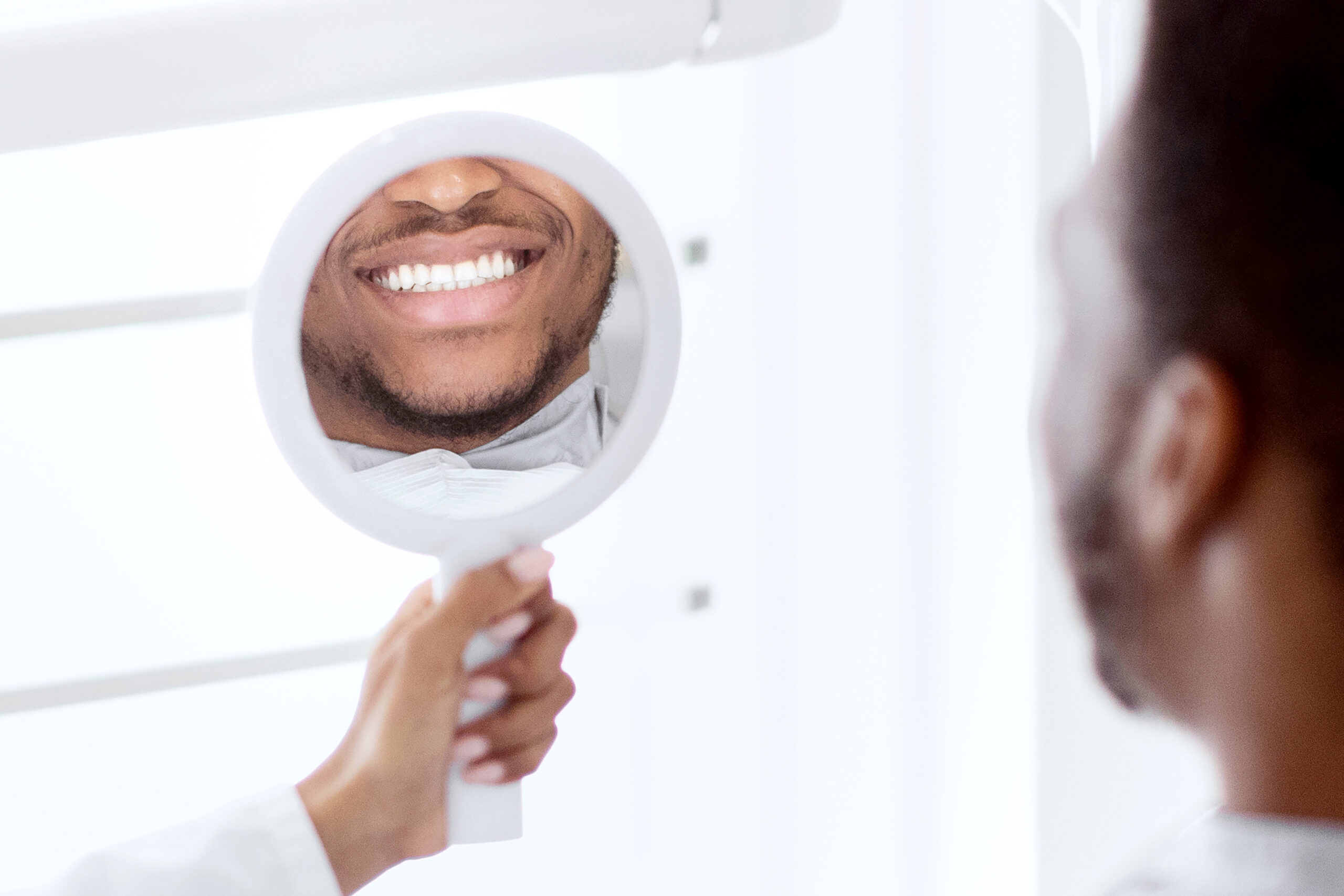
If you’ve ever typed “is teeth whitening safe” into Google, you’re not alone. It’s one of the most common questions we hear from patients in Woodbridge, Maple, and Vaughan. People want a brighter smile—but not at the cost of their enamel or long-term dental health. The short answer? Yes, teeth whitening is safe when it’s done correctly and under professional guidance. But it’s not for everyone. And how you whiten matters more than most people think. Let’s break it down in plain language so you can make a smart decision.
Is Teeth Whitening Safe for Your Enamel? What Science Says
Teeth whitening works by using peroxide-based gels. These gels break down stains inside the enamel. When used properly, they do not remove or thin enamel. That’s a big myth. According to the Canadian Dental Association and multiple clinical studies, professional whitening does not permanently damage enamel when supervised by a dentist. In our clinic, we’ve personally tested enamel hardness before and after professional whitening treatments. We’ve seen no structural damage when treatment guidelines are followed. Dr. Michael Rouhi explains it simply: “Whitening does not scrape enamel away. It lifts stains from within. The key is controlled strength and proper timing.” The problems usually happen when people overuse over-the-counter kits or use products too often without supervision.
Professional vs At-Home Whitening: Which Is Safer?
Patients often ask whether professional teeth whitening safety is better than store kits. In our experience, yes. Here’s why:
• In-office treatments use controlled, dentist-approved concentrations
• Your gums are protected before the gel is applied
• We check for cavities or cracks first
• Sensitivity is managed with custom protocols
At-home kits can work, but the risk comes from misuse. We’ve seen patients apply strips daily for weeks because they wanted faster results. That’s when enamel irritation and gum burns can happen. If you’re searching for “safe teeth bleaching near me” or considering an in-office teeth whitening appointment, professional guidance is the safest path.
Is Teeth Whitening Safe Long-Term?
When done properly and spaced out correctly, whitening is safe long-term. Most patients whiten once, then touch up every 12 to 24 months. We had one patient in Vaughan who has safely whitened under supervision for over 10 years with no enamel damage. Dr. Sandra Farber says, “Whitening should not be a monthly habit. It’s a treatment, not a daily routine.” Overuse is the real danger—not the treatment itself.
Teeth Whitening for Sensitive Teeth
Many people with sensitivity ask, “Is teeth whitening safe for sensitive teeth?” The answer depends on the cause of your sensitivity. If your enamel is intact and your gums are healthy, whitening can still be safe with adjustments:
• Lower concentration formulas
• Shorter treatment times
• Desensitizing gel before and after
• Custom trays instead of strips
We’ve seen patients who avoided whitening for years because of sensitivity. With proper planning, they achieved a brighter smile comfortably. That’s why a dentist teeth whitening consultation is so important before starting.
Who Should Not Whiten Their Teeth?
This is where things get serious. Some people should delay or avoid whitening altogether. If you fall into one of these categories, talk to a dentist first:
• Children under 16
• Pregnant or breastfeeding patients
• People with untreated cavities
• Active gum disease
• Severe enamel erosion
• Cracked or exposed dentin
• Extensive crowns or veneers in front teeth
If you’re wondering “who should not whiten teeth,” these are the key warning signs. Whitening does not change the color of crowns or fillings, which can create uneven results.
Enamel and Whitening Safety: What Patients Get Wrong
One of the biggest misconceptions about enamel and whitening safety is that stronger means better. That’s not true. High-peroxide DIY products used too often can irritate soft tissue and cause temporary nerve sensitivity. We once had a patient from Maple who used an online whitening kit three times in one week. Her gums turned white from chemical irritation. It healed—but it could have been avoided. Dr. Michael Rouhi often says, “The safest whitening is the one planned for your mouth, not someone else’s.”
Risks and Side Effects You Should Know
Even safe teeth whitening treatment has temporary side effects. The most common are:
• Tooth sensitivity for 24–72 hours
• Mild gum irritation
• Temporary white spots that fade
These are short-term and manageable. If pain lasts longer than a few days, you should contact your dentist.
Age and Oral Health Factors
Is teeth whitening safe for everyone? Not exactly. Age and oral condition matter. Teens have larger pulp chambers, which can increase sensitivity. Older adults may have gum recession that exposes root surfaces, which should not be whitened. Every case is different. That’s why we recommend a personalized exam before booking the best safe teeth whitening option.
Comparing Whitening Options
Here’s a simple breakdown to help you decide:
In-Office Whitening
• Fastest results
• Strongest but controlled formula
• Dentist supervision
• Best for deep stains
Custom Take-Home Trays
• Moderate strength
• Dentist monitored
• Flexible timing
• Good balance of safety and convenience
Over-the-Counter Kits
• Lower strength
• No supervision
• Higher misuse risk
• Results vary widely
If you’re searching for “safe teeth whitening treatment” in Woodbridge or Vaughan, professional options consistently show higher safety and satisfaction rates.
Real Results from Our Clinic
In our experience serving Woodbridge, Maple, and Vaughan, most patients see their teeth lighten by 3–8 shades in a single in-office teeth whitening appointment. One client preparing for a wedding told us her confidence changed overnight. That’s the part people don’t always talk about—confidence. But safety always comes first.
When to Book a Consultation
If you’re still asking “is teeth whitening safe,” the safest next step is a dentist teeth whitening consultation. We evaluate:
• Enamel thickness
• Gum health
• Existing dental work
• Sensitivity history
• Stain type
Dr. Sandra Farber reminds patients, “Whitening should be part of your overall dental plan—not a quick fix without evaluation.”
Final Thoughts for Patients in Woodbridge, Maple, and Vaughan
Teeth whitening is safe when done properly. It’s unsafe when rushed, overused, or done without an exam. If you’re considering whitening and want clear, honest guidance, start with a professional evaluation. Our team takes time to explain risks, benefits, and the safest plan for your smile. Book your consultation today and find out if whitening is right for you. Your smile deserves to be brighter—but it also deserves to be protected.
Additional Resources:


